What is osmosis?
In any boat built from polyester and fibreglass, constant contact with water means moisture can penetrate the laminate.
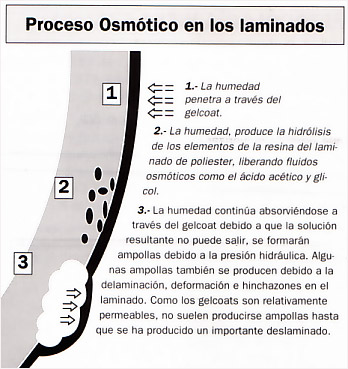
Moisture passes through the gelcoat and mixes with free salts and chemical residues in the laminate, forming a liquid denser than the water outside. This creates a pressure difference inside the structure: the liquid can neither escape nor be compressed, so it pushes outwards until blisters form.
Over time the blisters grow and, if they are not removed, cause the boat's structure to delaminate and lose structural strength.
Prevention, diagnosis and cure
- Prevention
- Moisture passes through the gelcoat, so it is advisable to protect it with waterproofing products.
- Inspection
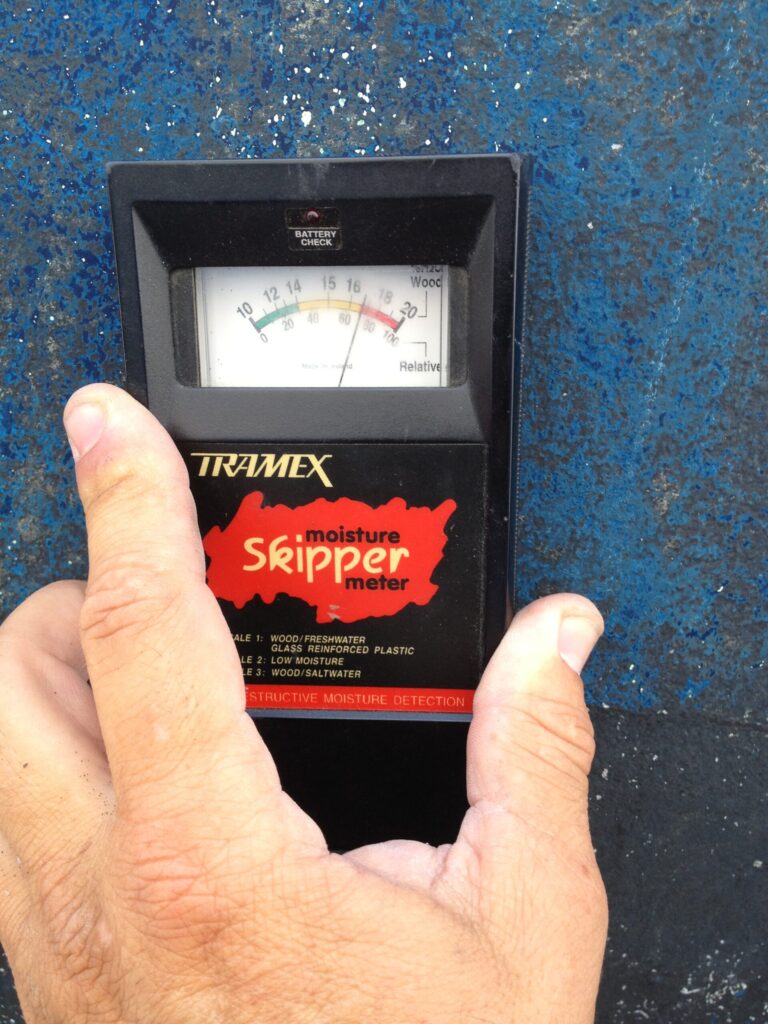
- We recommend removing the antifouling every 3 or 4 years to check for signs of moisture or osmosis.
- Cure
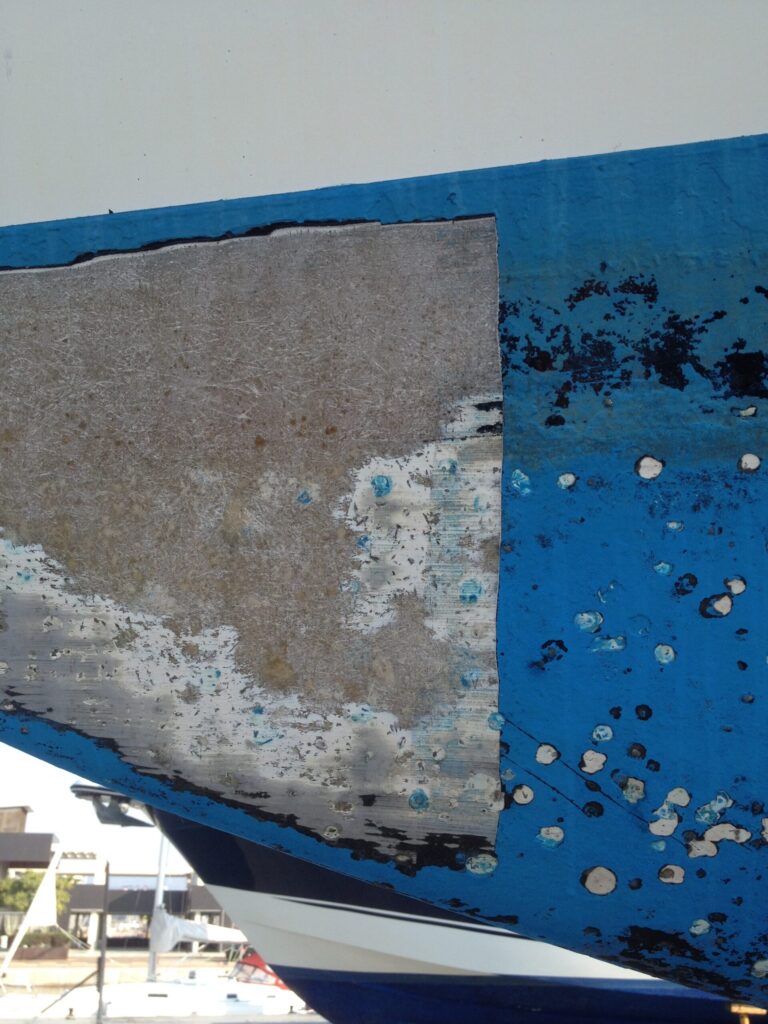
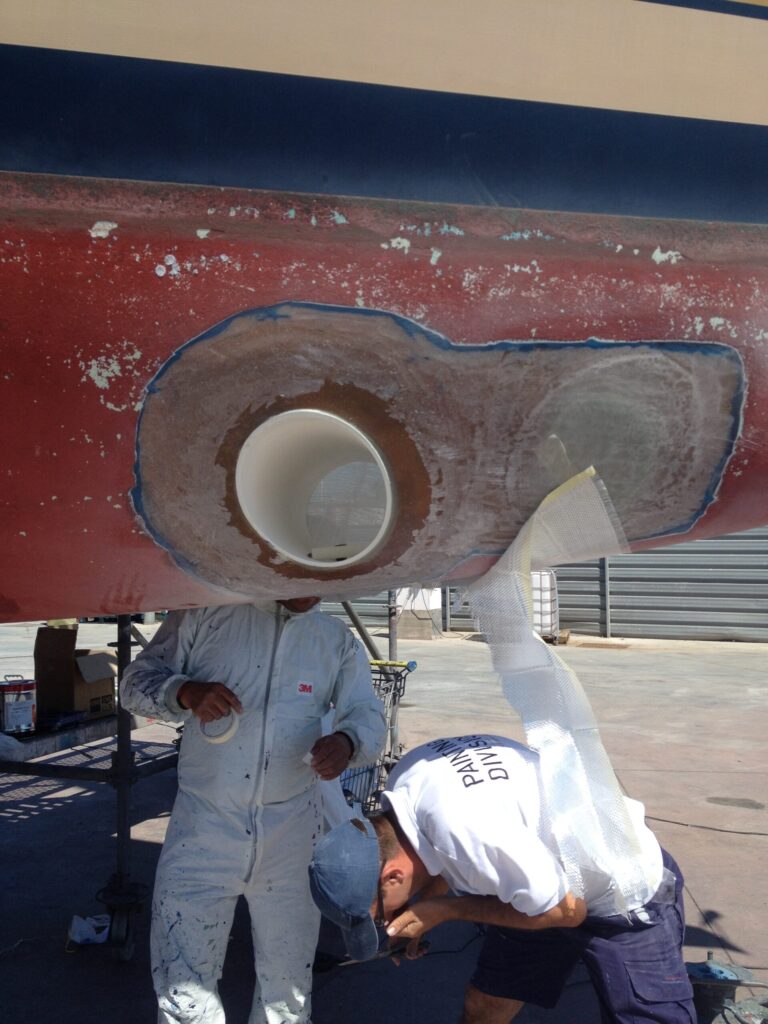
- It involves removing the gelcoat and thoroughly cleaning the surfaces affected by the acids. It is a laborious process that, while not complex, requires rigorous control. Once the laminate is back to its natural moisture level, the affected areas are re-laminated, filled and sealed again.
West System and Jotun methods
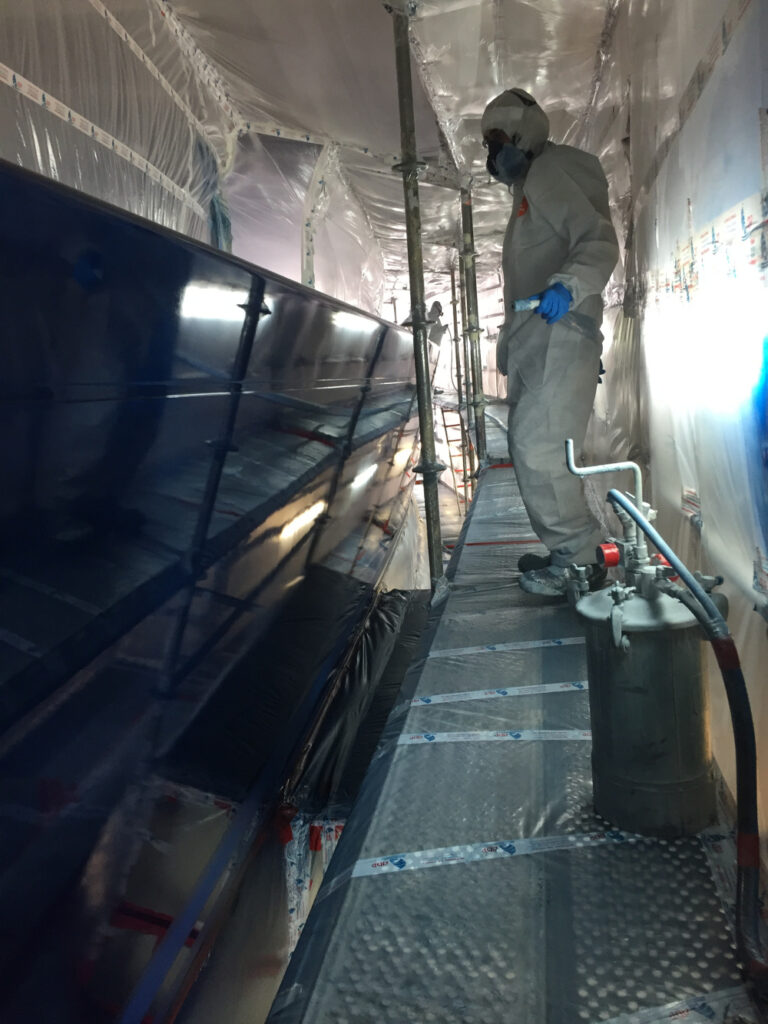
West System, recognised as a world leader in the marine industry, has developed lines of epoxy products applied according to its own method for the hand treatment and prevention of osmosis. We also apply the Jotun method.
A five-year guarantee anywhere in the world.
Osmosis in boats
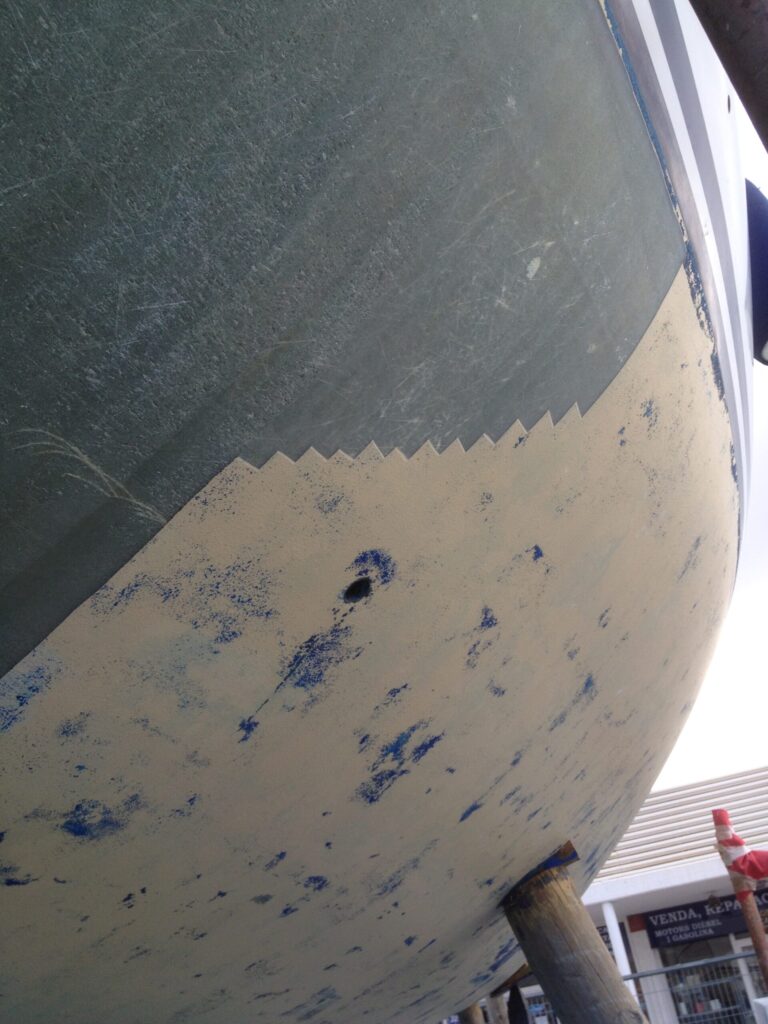
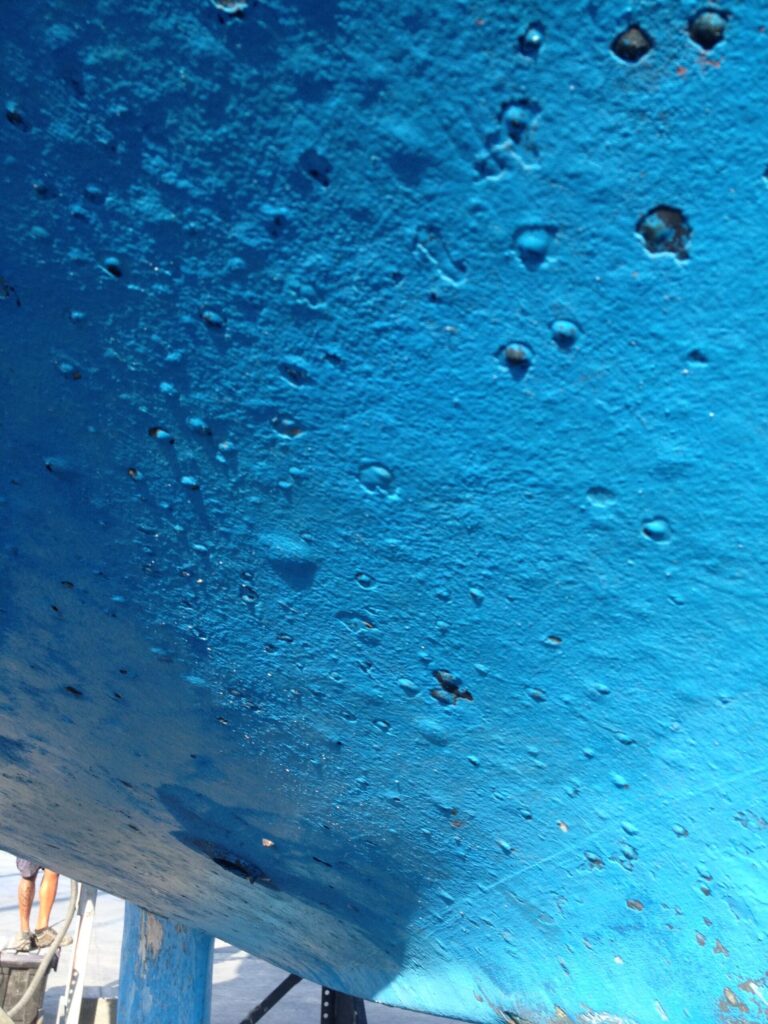
Osmosis is a “disease” boats can suffer from: a degenerative process in fibreglass. Water seeps into the hull through the gelcoat and reacts chemically with the substances inside. That reaction produces acids that push on the gelcoat from within and create blisters or bubbles on the surface.
How long it takes to appear depends on several factors, such as the type and temperature of the water or the quality of the materials the hull was built with. It can appear on a brand-new boat or several years later, so it is hard to predict when it will affect a boat.
How to recognise it
- Small cracks and holes in the hull.
- Blisters on the surface.
- A sticky liquid inside the blisters with a strong smell of vinegar.
Any boat without the necessary protection is exposed to osmosis. Once detected, it must be treated immediately by specialist staff. At Yacht Painters we repair boats affected by osmosis and take care of the whole process.